Egypt
Egypt Country Profile Overview and Facts
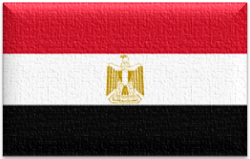
- Capital: Cairo
- Independence Day: February 28, 1922 (from the UK); July 23, 1952 (Revolution Day)
- Governorates: 27
- Religion: Islam (State religion; predominantly Sunni), Christianity (predominantly Coptic Orthodox)
- Motto: “Silence and Patience, Liberty, Socialism, Unity” (Historical)
- Language: Arabic (Official)
Egypt Profile Overview
Egypt, officially the Arab Republic of Egypt, is a transcontinental country located in North Africa, with the Sinai Peninsula extending into Western Asia. It is bordered by the Mediterranean Sea to the north, the Red Sea to the east, Libya to the west, Sudan to the south, and Israel and the Gaza Strip to the northeast. The capital and largest city is Cairo, one of the most populous metropolitan areas in Africa and the Middle East.
Egypt is considered one of the world’s oldest civilizations, with a continuous history dating back more than 5,000 years. The Nile River, the longest river in the world, is central to Egypt’s geography, economy, and cultural development. Modern Egypt maintains a diverse economy supported by tourism, agriculture, energy production, manufacturing, remittances, and the Suez Canal.
Importance of Egypt
Egypt holds exceptional importance due to its strategic geographic position, controlling the Suez Canal, one of the world’s most vital maritime trade routes. The country plays a leading role in Middle Eastern, African, and Mediterranean political affairs, and serves as a cultural, diplomatic, and military anchor in the region.
Alliances and International Relations
Egypt is a member of the United Nations (UN), African Union (AU), Arab League, Organization of Islamic Cooperation (OIC), Non-Aligned Movement, World Trade Organization (WTO), International Monetary Fund (IMF), and World Bank. Egypt maintains strong diplomatic relations with countries across Africa, the Middle East, Europe, Asia, and the Americas.
Independence and Political History
Egypt gained formal independence from British rule in 1922, though full sovereignty evolved over subsequent decades. The country became a republic in 1953. Egypt operates under a presidential republic system, with a long-standing influence in regional diplomacy and governance.
Global Contribution
Egypt contributes globally through international trade, cultural heritage preservation, peace mediation, and maritime logistics. The Suez Canal is a critical artery for global shipping, while Egypt’s archaeological sites contribute significantly to global tourism, education, and historical research.
Region and Sub-Region
Region: Africa
Sub-Region: North Africa
Egypt’s transcontinental position connects Africa, the Middle East, and Europe, enhancing its geopolitical relevance.
Religion, Ethnicity, and Society
Religion: Islam (predominantly Sunni), Christianity (mainly Coptic Orthodox)
Ethnicity: Predominantly Egyptian Arab, with Nubian, Bedouin, and other minority groups
Egyptian society is shaped by deep historical traditions, strong family structures, and a shared national identity.
Languages and Culture
Official Language: Arabic
Egyptian culture has had a lasting influence on literature, cinema, music, architecture, and education throughout the Arab world. Traditional customs coexist with modern urban life, particularly in major cities like Cairo and Alexandria.
Key Facts About Egypt
Capital: Cairo
Currency: Egyptian Pound (EGP)
Government: Presidential republic
Geography: Nile River Valley, deserts, coastal plains
Economy: Tourism, energy, agriculture, manufacturing, Suez Canal revenue
Conclusion
Egypt stands as a cornerstone of human civilization and a modern regional power. Its strategic location, historical legacy, and economic assets ensure continued relevance in global trade, diplomacy, and cultural exchange.
Frequently Asked Questions (FAQs)
Q1: Where is Egypt located?
Egypt is located in North Africa, with part of its territory in Western Asia.
Q2: When did Egypt gain independence?
Egypt gained independence from British rule in 1922.
Q3: Why is Egypt important globally?
Egypt controls the Suez Canal and has major historical, political, and cultural influence.
Q4: What is Egypt best known for?
Egypt is known for ancient civilization, pyramids, the Nile River, and the Suez Canal.
Q5: What language is spoken in Egypt?
Arabic is the official language of Egypt.
Sources :