Dominican Republic
Dominican Republic Country Profile Overview and Facts
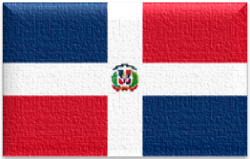
- Capital: Santo Domingo
- Independence Day: February 27, 1844 (from Haiti)
- Provinces: 31 Provinces and 1 National District (Distrito Nacional)
- Religion: Secular Christianity
- Motto: “God, Homeland, Liberty” (Dios, Patria, Libertad)
- Language: Spanish
Dominican Republic Profile Overview
The Dominican Republic is a country located in the Caribbean, occupying the eastern two-thirds of the island of Hispaniola, which it shares with Haiti to the west. It is bordered by the Atlantic Ocean to the north and the Caribbean Sea to the south. The capital and largest city is Santo Domingo, the oldest continuously inhabited European-founded city in the Americas.
The Dominican Republic is one of the largest and most diversified economies in the Caribbean, driven by tourism, manufacturing, agriculture, mining, and services. The country features a wide range of landscapes, including beaches, mountains, valleys, and tropical forests, making it a major destination for international tourism and investment.
Importance of the Dominican Republic
The Dominican Republic holds regional importance as a tourism powerhouse, trade hub, and manufacturing center in the Caribbean. Its strong economic growth, strategic maritime location, and expanding infrastructure make it a key player in Caribbean and Latin American economic development.
Alliances and International Relations
The Dominican Republic is a member of the United Nations (UN), Organization of American States (OAS), Community of Latin American and Caribbean States (CELAC), World Trade Organization (WTO), International Monetary Fund (IMF), World Bank, and Central American Integration System (SICA). It maintains active diplomatic and trade relations across the Americas, Europe, and Asia.
Independence and Political History
The Dominican Republic gained independence from Haiti on February 27, 1844. The country operates as a presidential republic with a constitutional democratic system. Over time, it has strengthened political institutions and economic reforms to support long-term stability and growth.
Global Contribution
The Dominican Republic contributes globally through tourism services, agricultural exports, manufacturing in free trade zones, and cultural influence. It is a major exporter of bananas, cocoa, sugar, coffee, and cigars, and plays a growing role in regional logistics and international trade.
Region and Sub-Region
Region: Americas
Sub-Region: Caribbean
Its location enhances connectivity between North America, Central America, and South America.
Religion, Ethnicity, and Society
Religion: Christianity (predominantly Roman Catholic), Protestant denominations
Ethnicity: Mixed European, African, and Indigenous heritage
Dominican society is known for its strong family values, social vibrancy, and national identity.
Languages and Culture
Official Language: Spanish
The culture of the Dominican Republic is globally recognized for its music, dance, and sports, particularly merengue and bachata, which are UNESCO-recognized cultural expressions. Baseball also plays a central role in national identity.
Key Facts About the Dominican Republic
Capital: Santo Domingo
Currency: Dominican Peso (DOP)
Government: Presidential republic
Geography: Mountains, beaches, valleys, tropical climate
Economy: Tourism, manufacturing, agriculture, services
Conclusion
The Dominican Republic is a leading Caribbean nation with a strong economy, rich cultural heritage, and growing global influence. Its leadership in tourism, trade, and cultural exports positions it as a key contributor to regional development and international engagement.
Frequently Asked Questions (FAQs)
Q1: Where is the Dominican Republic located?
It is located in the Caribbean on the island of Hispaniola.
Q2: When did the Dominican Republic gain independence?
The country gained independence on February 27, 1844.
Q3: What is the Dominican Republic known for?
It is known for beaches, tourism, merengue, bachata, and baseball.
Q4: What language is spoken in the Dominican Republic?
Spanish is the official language.
Q5: Is the Dominican Republic the same as Dominica?
No, they are different countries with different locations and histories.
Sources :