Djibouti
Djibouti Country Profile Overview and Facts
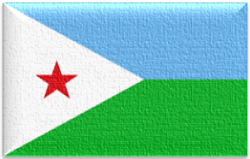
- Capital: Djibouti City
- Independence Day: June 27, 1977
- Regions: 5 (Ali Sabieh, Arta, Dikhil, Obock, and Tadjourah) and the capital city
- Religion: Islam (State religion; predominantly Sunni)
- Motto: “Unity, Equality, Peace” (Unité, Égalité, Paix)
- Languages: French and Arabic (Official); Somali and Afar (National)
Djibouti Profile Overview
Djibouti, officially the Republic of Djibouti, is a small but strategically important country located in the Horn of Africa. It is bordered by Eritrea to the north, Ethiopia to the west and south, and Somalia to the southeast, with coastlines along the Red Sea and the Gulf of Aden. The capital and largest city is Djibouti City, which serves as the nation’s political, economic, and commercial center.
Despite its limited land area, Djibouti occupies one of the world’s most critical maritime positions, controlling access to the Bab el-Mandeb Strait, a major global shipping route linking the Red Sea to the Indian Ocean. The country’s economy is primarily service-based, centered on port services, logistics, trade, and foreign military presence, making it a vital transit hub for East Africa.
Importance of Djibouti
Djibouti is globally important due to its strategic geopolitical location and role in international shipping and security. Its ports serve as a primary maritime gateway for landlocked Ethiopia, supporting regional trade and economic stability. Djibouti also plays a key role in global maritime security and anti-piracy operations.
Alliances and International Relations
Djibouti is a member of the United Nations (UN), African Union (AU), Intergovernmental Authority on Development (IGAD), Arab League, Organisation of Islamic Cooperation (OIC), World Trade Organization (WTO), International Monetary Fund (IMF), and World Bank. The country hosts multiple foreign military bases, reflecting its strategic international partnerships.
Independence and Political History
Djibouti gained independence from France on June 27, 1977. Since independence, it has operated as a presidential republic. Political stability and strategic diplomacy have enabled Djibouti to position itself as a regional logistics and security hub in the Horn of Africa.
Global Contribution
Djibouti contributes globally through maritime logistics, port management, regional security cooperation, and international peacekeeping support. Its ports and transport corridors are essential to global trade flows between Europe, Asia, and Africa.
Region and Sub-Region
Region: Africa
Sub-Region: East Africa (Horn of Africa)
Djibouti’s coastal position enhances its role in global shipping and regional integration.
Religion, Ethnicity, and Society
Religion: Islam (predominantly Sunni)
Ethnicity: Somali (Issa), Afar, and minority communities
Djiboutian society is shaped by nomadic traditions, strong clan structures, and cross-cultural trade influences.
Languages and Culture
Official Languages: French and Arabic
Widely Spoken Languages: Somali and Afar
Djibouti’s culture reflects a blend of African, Arab, and French influences, expressed through poetry, music, oral traditions, and cuisine.
Key Facts About Djibouti
Capital: Djibouti City
Currency: Djiboutian Franc (DJF)
Government: Presidential republic
Geography: Coastal plains, volcanic landscapes, salt lakes
Economy: Port services, logistics, trade, military services
Conclusion
Djibouti is a strategically vital nation whose importance far exceeds its size. Its role in global shipping, regional logistics, and international security makes Djibouti a key contributor to trade stability and geopolitical cooperation in the Horn of Africa.
Frequently Asked Questions (FAQs)
Q1: Where is Djibouti located?
Djibouti is located in the Horn of Africa, along the Red Sea and Gulf of Aden.
Q2: When did Djibouti gain independence?
Djibouti gained independence on June 27, 1977.
Q3: Why is Djibouti strategically important?
Its location near the Bab el-Mandeb Strait makes it crucial for global shipping and security.
Q4: What languages are spoken in Djibouti?
French and Arabic are official languages, while Somali and Afar are widely spoken.
Q5: What is Djibouti’s main economic activity?
Port services and logistics form the backbone of the economy.
Sources :