Cyprus
Cyprus Country Profile Overview and Facts
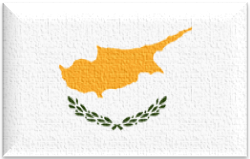
- Capital: Nicosia
- Independence Day: August 16, 1960 (celebrated on October 1)
- Districts: 6 (Nicosia, Limassol, Larnaca, Paphos, Famagusta, and Kyrenia)
- Religion: Christianity , Islam
- Motto: None (The coat of arms features the dove of peace with an olive branch)
- Languages: Greek and Turkish (Official)
Cyprus Profile Overview
Cyprus, officially the Republic of Cyprus, is an island country located in the Eastern Mediterranean Sea, positioned at the crossroads of Europe, Asia, and the Middle East. It lies south of Turkey, west of Syria and Lebanon, and east of Greece. The capital city is Nicosia, which is also the largest city and a major political, financial, and cultural center.
Cyprus is known for its strategic geographic location, long history of civilization, and modern service-based economy. The island features diverse landscapes including coastal plains, mountain ranges, and fertile valleys. The economy is driven by tourism, shipping, financial services, trade, and emerging energy resources.
Importance of Cyprus
Cyprus holds significant importance as a regional hub for trade, finance, and maritime services in the Eastern Mediterranean. Its location enhances diplomatic, commercial, and energy-related activities between Europe, the Middle East, and North Africa. Cyprus also plays an important role in regional stability and international cooperation.
Alliances and International Relations
Cyprus is a member of the United Nations (UN), European Union (EU), Council of Europe, Commonwealth of Nations, World Trade Organization (WTO), International Monetary Fund (IMF), and World Bank. Its EU membership strengthens its role in European policymaking and regional diplomacy.
Independence and Political History
Cyprus gained independence from British rule on August 16, 1960. The country operates as a presidential republic. Since independence, Cyprus has focused on democratic governance, economic development, and diplomatic efforts related to national unity and regional cooperation.
Global Contribution
Cyprus contributes globally through maritime shipping, financial services, tourism, diplomacy, and peacebuilding initiatives. The country is also involved in energy exploration and international investment services, supporting global trade networks.
Region and Sub-Region
Region: Europe
Sub-Region: Eastern Mediterranean
Cyprus’s location enhances its role as a bridge between continents and cultures.
Religion, Ethnicity, and Society
Religion: Christianity (primarily Greek Orthodox), Islam, and other faiths
Ethnicity: Greek Cypriots, Turkish Cypriots, and minority communities
Cypriot society reflects a blend of Mediterranean traditions, modern European values, and historical influences.
Languages and Culture
Official Languages: Greek and Turkish
Cyprus has a rich cultural heritage marked by ancient archaeological sites, traditional music, folk dance, cuisine, and festivals, shaped by centuries of regional interaction.
Key Facts About Cyprus
Capital: Nicosia
Currency: Euro (EUR)
Government: Presidential republic
Geography: Island, mountains, plains, coastline
Economy: Tourism, shipping, finance, trade
Conclusion
Cyprus is a strategically located Mediterranean nation with strong economic services, deep historical roots, and international relevance. Its role in maritime trade, finance, tourism, and diplomacy positions Cyprus as an important contributor to regional and global cooperation.
Frequently Asked Questions (FAQs)
Q1: Where is Cyprus located?
Cyprus is located in the Eastern Mediterranean Sea.
Q2: When did Cyprus gain independence?
Cyprus gained independence on August 16, 1960.
Q3: Is Cyprus part of the European Union?
Yes, Cyprus joined the European Union in 2004.
Q4: What languages are spoken in Cyprus?
Greek and Turkish are the official languages.
Q5: What is Cyprus known for?
Cyprus is known for tourism, shipping, and its strategic location.
Sources :