Croatia
Croatia Country Profile Overview and Facts
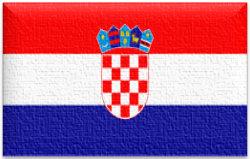
- Capital: Zagreb
- Independence Day: June 25, 1991 (from Yugoslavia)
- Counties: 20 (Županije) and the City of Zagreb
- Religion: Christianity (predominantly Roman Catholic)
- Motto: “God and the Croats” (Bog i Hrvati – Traditional)
- Language: Croatian
Croatia Profile Overview
Croatia, officially the Republic of Croatia, is a country located in Southeast Europe, primarily within the Balkan Peninsula. It is bordered by Slovenia to the northwest, Hungary to the northeast, Serbia to the east, Bosnia and Herzegovina and Montenegro to the southeast, and the Adriatic Sea to the west. The capital and largest city is Zagreb, which serves as the political, cultural, and economic center of the country.
Croatia is internationally known for its Adriatic coastline, historic cities, Mediterranean climate, and cultural heritage. The country combines Central European and Mediterranean influences, reflected in its architecture, traditions, and lifestyle. Croatia has a diversified economy supported by tourism, manufacturing, services, agriculture, and maritime trade, with tourism playing a major role in national income.
Importance of Croatia
Croatia holds strategic importance as a gateway between Central Europe and the Mediterranean. Its long Adriatic coastline, modern ports, and tourism infrastructure make it a key destination and transport hub in Southeast Europe. Croatia also plays a growing role in European regional stability, energy transit, and cultural tourism.
Alliances and International Relations
Croatia is an active member of the United Nations (UN), European Union (EU), North Atlantic Treaty Organization (NATO), Council of Europe, World Trade Organization (WTO), International Monetary Fund (IMF), and World Bank. Its EU and NATO memberships strengthen its political influence and economic integration within Europe.
Independence and Political History
Croatia declared independence from Yugoslavia on June 25, 1991, gaining full international recognition in 1992. Following a period of conflict in the 1990s, the country transitioned into a stable parliamentary republic. Croatia joined the European Union in 2013, marking a significant milestone in its modern history.
Global Contribution
Croatia contributes globally through peacekeeping missions, tourism, maritime services, sports, and cultural heritage preservation. The country is also recognized for its shipbuilding industry, scientific research, and international sports achievements, particularly in football.
Region and Sub-Region
Region: Europe
Sub-Region: Southeast Europe (Balkans)
Croatia’s geographic position along the Adriatic Sea enhances its role in European trade, tourism, and maritime connectivity.
Religion, Ethnicity, and Society
Religion: Christianity (predominantly Roman Catholic)
Ethnicity: Croats (majority), Serbs, and other minority communities
Croatian society values national identity, cultural traditions, education, and European integration.
Languages and Culture
Official Language: Croatian
Writing System: Latin alphabet
Croatian culture reflects a blend of Slavic, Mediterranean, and Central European influences, expressed through traditional music, folk costumes, cuisine, festivals, and UNESCO-listed heritage sites.
Key Facts About Croatia
Capital: Zagreb
Currency: Euro (EUR)
Government: Parliamentary republic
Geography: Adriatic coast, islands, mountains, plains
Economy: Tourism, services, industry, agriculture
Conclusion
Croatia is a modern European nation with rich history, strong cultural identity, and growing economic influence. Its strategic location, EU membership, and world-class tourism sector position Croatia as an important contributor to regional stability and global cultural exchange.
Frequently Asked Questions (FAQs)
Q1: Where is Croatia located?
Croatia is located in Southeast Europe along the Adriatic Sea.
Q2: When did Croatia gain independence?
Croatia declared independence in 1991 and gained recognition in 1992.
Q3: Is Croatia part of the European Union?
Yes, Croatia joined the European Union in 2013.
Q4: What is Croatia famous for?
Croatia is famous for its Adriatic coastline, historic cities, and tourism.
Q5: What language is spoken in Croatia?
Croatian is the official language.
Sources :