Most Spoken Languages
Top Most Spoken Languages By Country
01
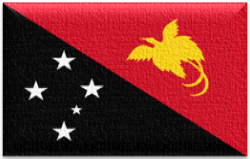
Papua New Guinea
841
02
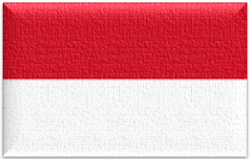
Indonesia
721
03
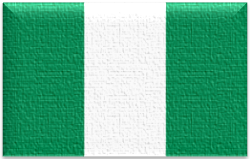
Nigeria
538
04
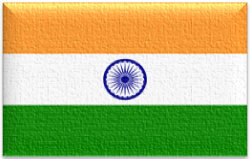
India
459
05
United States
364
06
Australia
320
07
China
308
08
Mexico
304
09
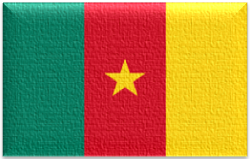
Cameroon
281
10
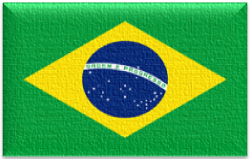
Brazil
240
Countries With the Most Spoken Languages
Linguistic diversity is a powerful indicator of cultural depth and historical development. Some countries stand out globally due to the extraordinary number of languages spoken within their borders. These nations reflect centuries of indigenous traditions, geographic separation, migration patterns, and social evolution.
Below is a ranking-based overview of the top 10 countries with the most spoken languages, presented strictly according to verified language counts.
1. Papua New Guinea – 841 Languages
Papua New Guinea ranks first globally with 841 spoken languages, making it the most linguistically diverse country in the world. Its mountainous terrain and isolated communities allowed local languages to develop independently. Most languages are used within small populations, preserving unique cultural identities.
2. Indonesia – 721 Languages
Indonesia follows closely with 721 languages spoken across thousands of islands. While Bahasa Indonesia serves as the national language, regional languages dominate daily communication. This linguistic variety reflects Indonesia’s ethnic diversity and geographic spread.
3. Nigeria – 538 Languages
Nigeria has 538 spoken languages, representing one of Africa’s richest linguistic landscapes. Major languages coexist with hundreds of regional tongues. English functions as a common administrative language, enabling communication across ethnic groups.
4. India – 459 Languages
India is home to 459 living languages, shaped by its long history and regional cultures. While Hindi is widely spoken, numerous regional languages are used in education, governance, and media across different states.
5. United States – 364 Languages
The United States has 364 spoken languages, largely due to immigration and indigenous heritage. English is dominant nationwide, while Spanish and many native languages contribute to linguistic diversity.
6. Australia – 320 Languages
Australia records 320 spoken languages, most of which are Indigenous Australian languages. Although English is the primary national language, preservation efforts continue to protect endangered native languages.
7. China – 308 Languages
China has 308 spoken languages, including Mandarin as the dominant national language. Many regional and minority languages remain actively spoken, reflecting the country’s vast population and ethnic composition.
8. Mexico – 304 Languages
Mexico reports 304 languages, largely rooted in indigenous communities. Spanish is the dominant language, but many native languages remain culturally and socially significant.
9. Cameroon – 281 Languages
Cameroon is often recognized for its linguistic complexity, with 281 spoken languages. The coexistence of local languages alongside English and French highlights its multicultural structure.
10. Brazil – 240 Languages
Brazil completes the top ten with 240 spoken languages. Portuguese is the primary language, while indigenous languages continue to be spoken in various regions, particularly in remote areas.
Why These Countries Lead in Language Diversity
High language counts are influenced by:
- Indigenous population density
- Geographic isolation
- Limited early language standardization
- Cultural preservation practices
- Historical settlement patterns
These factors allow languages to survive across generations.
Conclusion
The countries listed above represent the highest levels of linguistic diversity worldwide. From Papua New Guinea to Brazil, each nation reflects how geography, culture, and history shape communication. Preserving these languages is essential for maintaining cultural heritage and global diversity.
| S no | Country | Languages |
|---|---|---|
| 1 | Papua New Guinea | 841 |
| 2 | Indonesia | 721 |
| 3 | Nigeria | 538 |
| 4 | India | 459 |
| 5 | United States | 364 |
| 6 | Australia | 320 |
| 7 | China | 308 |
| 8 | Mexico | 304 |
| 9 | Cameroon | 281 |
| 10 | Brazil | 240 |
Top 10 Power :
Countries Ranking :
Source: