Cote d'Ivoire
Cote d'Ivoire Country Profile Overview and Facts
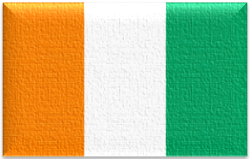
- Capital: Yamoussoukro (Political); Abidjan (Economic)
- Independence Day: August 7, 1960
- Districts: 14 Autonomous Districts (which are further divided into 31 Regions)
- Religion: Islam, Christianity
- Motto: “Union, Discipline, Work”
- Languages: French (Official); over 70 indigenous languages including Baoulé, Dioula, and Dan
Côte d’Ivoire Profile Overview
Côte d’Ivoire, also known as Ivory Coast, is a country located in West Africa, bordered by Liberia and Guinea to the west, Mali and Burkina Faso to the north, Ghana to the east, and the Atlantic Ocean (Gulf of Guinea) to the south. The political capital is Yamoussoukro, while Abidjan is the economic capital and largest city.
Côte d’Ivoire is one of West Africa’s most dynamic economies, supported by agriculture, industry, trade, and services. The country is globally recognized as the world’s leading producer of cocoa, playing a central role in global agricultural supply chains. Its coastal location, modern ports, and regional connectivity make it a key commercial hub in the region.
Importance of Côte d’Ivoire
Côte d’Ivoire holds strategic importance due to its economic leadership in West Africa, strong export capacity, and role in regional trade and food security. The country is essential to the global cocoa and coffee markets and serves as a major logistics and financial center for Francophone Africa.
Alliances and International Relations
Côte d’Ivoire is an active member of the United Nations (UN), African Union (AU), Economic Community of West African States (ECOWAS), West African Economic and Monetary Union (UEMOA), World Trade Organization (WTO), International Monetary Fund (IMF), and World Bank. It maintains strong diplomatic relations with African nations, Europe, North America, and Asia.
Independence and Political History
Côte d’Ivoire gained independence from France on August 7, 1960. Since independence, the country has evolved into a presidential republic. In recent decades, Côte d’Ivoire has focused on political stability, democratic institutions, and economic reforms aimed at long-term growth.
Global Contribution
Côte d’Ivoire contributes globally through agricultural exports, especially cocoa and coffee, as well as rubber, palm oil, and cashew nuts. The country also plays a growing role in peacekeeping, regional diplomacy, and economic integration in West Africa.
Region and Sub-Region
Region: Africa
Sub-Region: West Africa
Its coastal access along the Gulf of Guinea strengthens international trade and maritime connectivity.
Religion, Ethnicity, and Society
Religion: Islam, Christianity, and traditional African beliefs
Ethnicity: Akan, Krou, Mandé, Voltaic, and other ethnic communities
Côte d’Ivoire is known for its ethnic diversity, cultural tolerance, and vibrant social traditions.
Languages and Culture
Official Language: French
National Languages: Dioula, Baoulé, Sénoufo, Bété, and others
Ivorian culture is rich in music, dance, art, cuisine, and festivals, with modern urban culture strongly represented in Abidjan.
Key Facts About Côte d’Ivoire
Capital: Yamoussoukro
Economic Capital: Abidjan
Currency: West African CFA Franc (XOF)
Government: Presidential republic
Economy: Agriculture, trade, industry, services
Conclusion
Côte d’Ivoire is a leading West African nation with strong economic influence, agricultural dominance, and regional leadership. Its role in global cocoa production, expanding infrastructure, and commitment to stability position it as a key contributor to African and global development.
Frequently Asked Questions (FAQs)
Q1: Where is Côte d’Ivoire located?
It is located in West Africa along the Gulf of Guinea.
Q2: What is Côte d’Ivoire famous for?
Côte d’Ivoire is famous for being the world’s largest cocoa producer.
Q3: When did Côte d’Ivoire gain independence?
The country gained independence on August 7, 1960.
Q4: What is the capital of Côte d’Ivoire?
Yamoussoukro is the political capital, while Abidjan is the economic capital.
Q5: What language is spoken in Côte d’Ivoire?
French is the official language.
Sources :