Cameroon
Cameroon Country Profile Overview and Facts
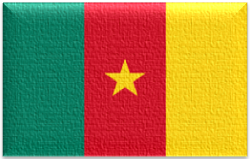
- Capital: Yaoundé
- Independence Day: January 1, 1960
- Regions: 10
- Religion: Christianity, Islam, and Indigenous beliefs
- Motto: “Peace, Work, Fatherland” (Paix, Travail, Patrie)
- Languages: French and English (Official); over 200 indigenous languages
Cameroon Profile Overview
Cameroon, officially the Republic of Cameroon, is a country located in Central Africa, bordered by Nigeria, Chad, Central African Republic, Equatorial Guinea, Gabon, and the Republic of the Congo, with a coastline along the Gulf of Guinea. The capital city is Yaoundé, while Douala is the largest city and economic hub.
Cameroon is known for its geographic diversity, ranging from coastal plains and tropical rainforests to savannas and mountains. Often referred to as “Africa in miniature”, Cameroon exhibits a wide range of climates, cultures, and wildlife. Its economy is based on agriculture, oil, mining, manufacturing, and services.
Importance of Cameroon
Cameroon holds regional significance due to its strategic location in Central Africa, natural resources, and cultural diversity. It serves as a key trade and transport link between West and Central Africa. Cameroon is also an ecological hotspot, contributing to biodiversity conservation and regional environmental sustainability.
Alliances and International Relations
Cameroon is a member of the United Nations (UN), African Union (AU), Economic Community of Central African States (ECCAS), Commonwealth of Nations, World Trade Organization (WTO), and International Monetary Fund (IMF). The country maintains diplomatic relations with African nations, Europe, Asia, and the Americas.
Independence and Political History
Cameroon gained independence from France on January 1, 1960, followed by the reunification with the British-administered Southern Cameroons on October 1, 1961. Cameroon is a unitary presidential republic, with a multi-party political system, and has experienced political stability relative to some neighboring countries.
Global Contribution
Cameroon contributes globally through agricultural exports (cocoa, coffee, cotton), timber, oil production, and cultural exchange. The country is also known for its sports achievements, particularly in football, and plays a role in regional peacekeeping and development initiatives.
Region and Sub-Region
Region: Africa
Sub-Region: Central Africa
Cameroon’s location links West, Central, and Southern African regions, enhancing trade, cultural exchange, and strategic relevance.
Religion, Ethnicity, and Society
Religion: Christianity (Catholic and Protestant), Islam, traditional beliefs
Ethnicity: Over 250 ethnic groups including Bantu, Semi-Bantu, and Sudanic peoples
Cameroon’s society is marked by ethnic and linguistic diversity, with strong communal traditions and a mix of modern and traditional lifestyles.
Languages and Culture
Official Languages: French and English
National Languages: Over 200 local languages
Cameroonian culture is vibrant, expressed through music, dance, festivals, culinary traditions, and arts. Its cultural diversity is reflected in multiple languages, religious practices, and social customs.
Key Facts About Cameroon
Capital: Yaoundé
Largest City: Douala
Currency: Central African CFA Franc (XAF)
Government: Unitary presidential republic
Geography: Mountains, rainforests, savannas, coastlines
Economy: Agriculture, oil, mining, services
Conclusion
Cameroon is a geographically, culturally, and economically diverse nation in Central Africa. Its natural resources, strategic location, and multicultural society make it an important country for regional stability, trade, and environmental conservation.
Frequently Asked Questions (FAQs)
Q1: Where is Cameroon located?
Cameroon is located in Central Africa, bordered by six countries and the Gulf of Guinea.
Q2: When did Cameroon gain independence?
Cameroon gained independence from France on January 1, 1960, and reunified with Southern Cameroons in 1961.
Q3: What languages are spoken in Cameroon?
French and English are official languages, with over 200 local languages spoken nationwide.
Q4: What is Cameroon known for?
Cameroon is known for biodiversity, cocoa and coffee exports, and cultural diversity.
Q5: What is the main religion in Cameroon?
Christianity and Islam are widely practiced, alongside traditional beliefs.
Sources :