Burundi
Burundi Country Profile Overview and Facts
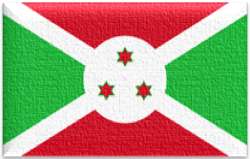
- Capital: Gitega (Political); Bujumbura (Economic)
- Independence Day: July 1, 1962
- Provinces: 18
- Religion: Christianity (predominantly Roman Catholic)
- Motto: “Unity, Work, Progress” (Unité, Travail, Progrès)
- Languages: Kirundi, French, and English
Burundi Profile Overview
Burundi is a small, landlocked country located in East Africa, bordered by Rwanda to the north, Tanzania to the east and south, and the Democratic Republic of the Congo to the west, with Lake Tanganyika forming much of its southwestern boundary. The political capital is Gitega, while Bujumbura remains the largest city and main economic hub.
Burundi is characterized by rolling hills, fertile highlands, and a largely agrarian economy. Despite its size, the country has a strong cultural identity shaped by centuries of monarchy, colonial history, and post-independence nation-building. Agriculture remains the backbone of livelihoods, with coffee and tea as key export crops.
Importance of Burundi
Burundi is regionally important due to its strategic location in the African Great Lakes region, its access to Lake Tanganyika, and its role in cross-border trade and regional integration. The country also holds significance in discussions on food security, rural development, and post-conflict recovery in East Africa.
Alliances and International Relations
Burundi is a member of the United Nations (UN), African Union (AU), East African Community (EAC), Common Market for Eastern and Southern Africa (COMESA), International Monetary Fund (IMF), and World Bank. It cooperates with neighboring states on trade, infrastructure, and regional security initiatives.
Independence and Political History
Burundi gained independence from Belgium on July 1, 1962. The country transitioned from a monarchy to a republic in 1966. Since independence, Burundi has experienced periods of political change and reform, with ongoing efforts focused on national reconciliation, governance, and institutional development.
Global Contribution
Burundi contributes globally through agricultural exports, regional peacekeeping participation, and cultural heritage preservation. The country also supports international initiatives related to sustainable agriculture, environmental protection, and development cooperation.
Region and Sub-Region
Region: Africa
Sub-Region: East Africa (African Great Lakes)
Burundi’s location connects Central and East African economic and cultural zones.
Religion, Ethnicity, and Society
Religion: Christianity (predominantly Roman Catholic), traditional beliefs
Ethnicity: Hutu, Tutsi, and Twa
Burundian society places strong emphasis on community values, social cohesion, and shared cultural traditions, particularly in rural areas.
Languages and Culture
Official Languages: Kirundi, French, English
National Language: Kirundi
Burundi’s culture is known for drumming traditions, dance, oral poetry, and ceremonial practices. The Royal Drummers of Burundi are internationally recognized as a symbol of national heritage.
Key Facts About Burundi
Capital: Gitega
Largest City: Bujumbura
Currency: Burundian Franc (BIF)
Government: Republic
Geography: Highlands, lakes, fertile valleys
Economy: Agriculture, small-scale trade
Conclusion
Burundi is a culturally rich East African nation with a strong sense of identity and resilience. Its agricultural foundation, strategic Great Lakes location, and participation in regional integration efforts position Burundi as an important contributor to East African development and cooperation.
Frequently Asked Questions (FAQs)
Q1: Where is Burundi located?
Burundi is located in East Africa, within the African Great Lakes region.
Q2: When did Burundi gain independence?
Burundi gained independence on July 1, 1962.
Q3: What is Burundi known for?
Burundi is known for Lake Tanganyika, traditional drumming, and coffee production.
Q4: What languages are spoken in Burundi?
Kirundi, French, and English are official languages.
Q5: What is the main religion in Burundi?
Christianity is the dominant religion, alongside traditional beliefs.
Sources :