Burkina Faso
Burkina Faso Country Profile Overview and Facts
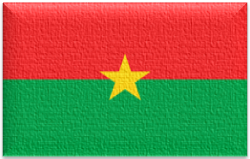
- Capital: Ouagadougou
- Independence Day: August 5, 1960
- Regions: 13
- Religion: Islam, Christianity, and Indigenous beliefs
- Motto: “Unity, Progress, Justice” (Unité, Progrès, Justice)
- Language: French (Official); Moore, Mandinka, and Fulfulde are also widely spoken
Burkina Faso Profile Overview
Burkina Faso is a landlocked country located in West Africa, bordered by Mali, Niger, Benin, Togo, Ghana, and Côte d’Ivoire. Formerly known as Upper Volta, the country adopted the name Burkina Faso in 1984, meaning “Land of Upright People.” The capital city, Ouagadougou, is the political, cultural, and economic center of the nation.
Burkina Faso is known for its strong cultural identity, rich artistic traditions, and resilient population. Its economy is primarily based on agriculture, gold mining, livestock, and regional trade, with a large portion of the population engaged in subsistence farming.
Importance of Burkina Faso
Burkina Faso holds regional importance due to its central location in West Africa, its role in regional labor mobility, and its contribution to African culture and arts. The country is also one of Africa’s leading producers of gold, making it economically significant within the region.
Alliances and International Relations
Burkina Faso is a member of the United Nations (UN), African Union (AU), Economic Community of West African States (ECOWAS), West African Economic and Monetary Union (WAEMU), Organization of Islamic Cooperation (OIC), and World Trade Organization (WTO). The country engages actively in regional cooperation and African development initiatives.
Independence and Political History
Burkina Faso gained independence from France on August 5, 1960. Since independence, the country has experienced periods of political transition and reform. National identity and sovereignty remain central themes in Burkina Faso’s political development.
Global Contribution
Burkina Faso contributes globally through gold exports, agricultural products, cultural diplomacy, and participation in international peacekeeping missions. The country is internationally recognized for its film and arts sector, particularly the FESPACO Pan-African Film and Television Festival, one of Africa’s most important cultural events.
Region and Sub-Region
Region: Africa
Sub-Region: West Africa
Burkina Faso’s location connects coastal West African economies with the Sahel region.
Religion, Ethnicity, and Society
Religion: Islam, Christianity, and traditional beliefs
Ethnicity: Mossi majority with numerous other ethnic groups
Burkinabè society is characterized by religious tolerance, communal solidarity, and strong traditional values, which support social cohesion.
Languages and Culture
Official Language: French
Other Languages: Mooré, Fulfulde, Dioula, and local languages
Burkina Faso has a vibrant cultural scene known for music, dance, crafts, storytelling, and festivals. Traditional art and oral heritage play a central role in national identity.
Key Facts About Burkina Faso
Capital: Ouagadougou
Currency: West African CFA Franc (XOF)
Government: Republic
Geography: Savannas, plateaus
Economy: Agriculture, mining, services
Conclusion
Burkina Faso is a culturally rich and resilient West African nation with a strong sense of identity and regional relevance. Its contributions to African arts, mining, and regional cooperation make it an important country within the Sahel and West African region.
Frequently Asked Questions (FAQs)
Q1: Where is Burkina Faso located?
Burkina Faso is located in West Africa and is landlocked.
Q2: When did Burkina Faso gain independence?
Burkina Faso gained independence on August 5, 1960.
Q3: What is Burkina Faso known for?
Burkina Faso is known for gold production, cultural festivals, and African cinema.
Q4: What languages are spoken in Burkina Faso?
French is the official language, alongside many local languages.
Q5: What is the main religion in Burkina Faso?
Islam is widely practiced, along with Christianity and traditional beliefs.
Sources :