Brunei Darussalam
Brunei Darussalam Country Profile Overview and Facts
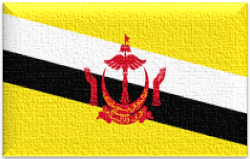
- Capital: Bandar Seri Begawan
- Independence Day: January 1, 1984
- Districts: 4 (Daerahs)
- Religion: Islam (Official)
- Motto: “Always in service with God’s guidance” (Billahil huda bish-sharti)
- Language: Malay (Official), English
Brunei Darussalam Profile Overview
Brunei Darussalam is a small, wealthy nation located on the island of Borneo in Southeast Asia, bordered entirely by Malaysia and facing the South China Sea. Despite its limited land area, Brunei is one of the world’s richest countries per capita due to its abundant oil and natural gas reserves. The capital city, Bandar Seri Begawan, serves as the political, economic, and cultural center.
Brunei is known for its Islamic heritage, political stability, and high standard of living. The country operates under an absolute monarchy and provides extensive social benefits to its citizens, including free healthcare and education.
Importance of Brunei Darussalam
Brunei holds global importance due to its energy resources, strategic maritime location, and stable governance. As a significant exporter of oil and liquefied natural gas, Brunei contributes to regional energy security while maintaining a strong focus on social welfare and national development.
Alliances and International Relations
Brunei is a member of the United Nations (UN), Association of Southeast Asian Nations (ASEAN), Organization of Islamic Cooperation (OIC), Asia-Pacific Economic Cooperation (APEC), Commonwealth of Nations, and World Trade Organization (WTO). The country maintains strong diplomatic relations across Asia, the Middle East, and Western nations.
Independence and Political History
Brunei gained full independence from the United Kingdom on January 1, 1984. The country is governed as an absolute monarchy, with the Sultan serving as head of state, head of government, and religious leader. Independence Day is marked annually as a national celebration.
Global Contribution
Brunei contributes globally through energy exports, Islamic finance, regional diplomacy, and humanitarian support. The country also plays a role in promoting Islamic values, environmental sustainability, and economic cooperation within Southeast Asia.
Region and Sub-Region
Region: Asia
Sub-Region: Southeast Asia
Brunei’s geographic position strengthens its integration with ASEAN economies and maritime trade routes.
Religion, Ethnicity, and Society
Religion: Islam (official religion)
Ethnicity: Malay majority with Chinese and indigenous minorities
Bruneian society emphasizes Islamic values, social harmony, and respect for tradition, supported by strong state institutions.
Languages and Culture
Official Language: Malay
Other Languages: English, Chinese dialects
Brunei’s culture reflects Malay customs, Islamic traditions, royal heritage, and ceremonial practices, expressed through architecture, festivals, and national events.
Key Facts About Brunei Darussalam
Capital: Bandar Seri Begawan
Currency: Brunei Dollar (BND)
Government: Absolute monarchy
Geography: Coastal plains, forests
Economy: Oil, natural gas, services
Conclusion
Brunei Darussalam is a stable and prosperous Southeast Asian nation with a strong Islamic identity and resource-based economy. Its wealth management, social welfare system, and regional engagement make Brunei an influential microstate in global energy and diplomatic circles.
Frequently Asked Questions (FAQs)
Q1: Where is Brunei Darussalam located?
Brunei is located on the island of Borneo in Southeast Asia.
Q2: When did Brunei become independent?
Brunei gained independence on January 1, 1984.
Q3: What is Brunei known for?
Brunei is known for oil and gas wealth, Islamic governance, and political stability.
Q4: What language is spoken in Brunei?
Malay is the official language, with English widely used.
Q5: What is the main religion in Brunei?
Islam is the official and dominant religion.
Sources :