Belgium
Belgium Country Profile Overview and Facts
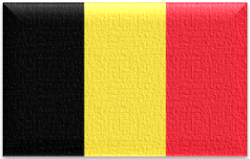
- Capital: Brussels
- Independence Day: October 4, 1830 (National Day is July 21)
- Regions: 3 (Flanders, Wallonia, and Brussels-Capital)
- Religion: Christianity
- Motto: Unity Makes Strength
- Languages: Dutch, French, and German
| 1 | Capital City | Brussels |
|---|---|---|
| 2 | Total Area | 30,528.00 (km²) |
| 3 | Land Area | 30,278.00 (km²) |
| 4 | Water Area | 250.00 (km²) |
| 5 | Population | 11,758,600 |
| 6 | Largest City | Brussels |
| 7 | Currency | Euros (EUR) |
| 8 | Density | 388 (km²) |
| 9 | Name | Kingdom of Belgium |
| 10 | Location | Europe |
| 11 | Region | Western Europe |
| 12 | Bordering Countries | The Netherlands, Germany, Luxembourg. |
| 13 | Phone Codes | 32 |
| 14 | Iso Code | BE / BEL |
| 15 | National Dishes | Moules-Frite |
| 16 | National Animals | Lion |
| 17 | NO Of National Park | 6 |
| 18 | National Park Area | 639 (km²) |
Belgium Profile Overview
Belgium is a Western European country strategically located at the crossroads of France, Germany, the Netherlands, and Luxembourg. Despite its relatively small size, Belgium holds exceptional political, economic, and cultural importance in Europe. The country features a diverse landscape that includes coastal plains along the North Sea, fertile central plateaus, and forested hills in the Ardennes region.
Belgium has a rich historical background shaped by Roman influence, medieval trade cities, Burgundian and Habsburg rule, and later independence in the 19th century. Today, Belgium is a highly developed nation with a strong economy driven by manufacturing, trade, logistics, services, and innovation. Its capital city, Brussels, is widely recognized as the political capital of Europe.
Importance of Belgium
Belgium is globally important due to its role as a political and diplomatic center of Europe. Brussels hosts key international institutions, making Belgium central to European decision-making. The country is also a major hub for international trade, transportation, and logistics, benefiting from its location and advanced infrastructure.
Alliances and International Relations
Belgium is a founding member of the European Union (EU), United Nations (UN), North Atlantic Treaty Organization (NATO), and Benelux Union. It also participates in the World Trade Organization (WTO) and numerous international agreements. Belgium maintains strong diplomatic relations worldwide and actively supports multilateral cooperation, peacekeeping, and international law.
Independence and Political History
Belgium gained independence from the Kingdom of the Netherlands on July 21, 1831. It operates as a federal constitutional monarchy with a parliamentary system, reflecting its complex linguistic and regional structure. National Day is celebrated annually on July 21, marking the foundation of the modern Belgian state.
Global Contribution
Belgium contributes globally through diplomacy, international governance, humanitarian aid, scientific research, and global trade. It plays a major role in shaping European policies and hosts numerous international organizations. Belgian industries are also active in pharmaceuticals, chemicals, and advanced manufacturing.
Region and Sub-Region
Region: Europe
Sub-Region: Western Europe
This regional placement strengthens Belgium’s position as a connector between major European economies.
Religion, Ethnicity, and Society
Religion: Christianity (mainly Roman Catholic), with growing secular and diverse religious communities
Ethnicity: Predominantly European, with a multicultural population
Belgian society values democracy, social welfare, cultural diversity, and regional autonomy, contributing to a high standard of living.
Languages and Culture
Official Languages: Dutch, French, German
Belgium is culturally diverse, with strong traditions in art, architecture, music, cuisine, literature, and festivals. The country is internationally known for chocolate, waffles, beer, and fine arts, as well as its medieval towns and modern cultural institutions.
Key Facts About Belgium
Capital: Brussels
Currency: Euro (EUR)
Government: Federal constitutional monarchy
Geography: Coastal plains, plateaus, forests
Economy: Trade, manufacturing, services, logistics
Conclusion
Belgium is a highly influential European nation with global significance far beyond its size. Its leadership role in international institutions, strong economy, and cultural richness make Belgium a cornerstone of European and global cooperation.
Frequently Asked Questions (FAQs)
Q1: Where is Belgium located?
Belgium is located in Western Europe, bordering France, Germany, the Netherlands, and Luxembourg.
Q2: When did Belgium gain independence?
Belgium gained independence in 1831.
Q3: What languages are spoken in Belgium?
Dutch, French, and German are the official languages.
Q4: What is Belgium known for globally?
Belgium is known for hosting EU institutions, chocolate, beer, and diplomacy.
Q5: What is the main religion in Belgium?
Christianity, mainly Roman Catholicism, is historically dominant.
Sources :