Antigua and Barbuda
Antigua and Barbuda Country Profile Overview and Facts
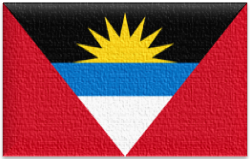
- Capital: St. John’s
- Independence Day: November 1, 1981
- Parishes: 6 (plus 2 dependencies)
- Religion: Christianity
- Motto: “Each endeavouring, all achieving”
- Language: English
| 1 | Capital City | Saint John's |
|---|---|---|
| 2 | Total Area | 442.00 km2 |
| 3 | Land Area | 442.00 km2 |
| 4 | Water Area | N/A |
| 5 | Population | 94,373 |
| 6 | Largest City | Saint John's |
| 7 | Currency | East Caribbean dollars (XCD) |
| 8 | Density | 214.11 |
| 9 | Name | Antigua and Barbuda |
| 10 | Location | North America |
| 11 | Region | Caribbean |
| 12 | Bordering Countries | N/A |
| 13 | Phone Codes | 1-268 |
| 14 | Iso Code | AG / ATG |
| 15 | National Dishes | Fungie |
| 16 | National Animals | European fallow deer |
| 17 | NO Of National Park | 6 |
| 18 | National Park Area | N/A |
Antigua and Barbuda Profile Overview
Antigua and Barbuda is a twin-island country located in the Caribbean Sea, part of the Leeward Islands in the Lesser Antilles. Known for its pristine beaches, tropical climate, and vibrant culture, the country is a popular destination for tourism and maritime activities. Antigua, the larger island, hosts the capital city St. John’s, while Barbuda is smaller and renowned for its natural beauty and bird sanctuaries.
The nation has a rich history shaped by indigenous Amerindian populations, European colonization, and African heritage. Antigua and Barbuda became a major hub during the sugar plantation era under British rule, which influenced its demographics, culture, and economy. Today, it is an independent nation with a focus on tourism, finance, and sustainable development.
Importance of Antigua and Barbuda
Antigua and Barbuda holds regional importance in the Caribbean for tourism, maritime trade, and international finance. Its strategic location in the Leeward Islands facilitates maritime connections and contributes to regional cooperation through organizations such as the Caribbean Community (CARICOM). The country also plays a role in promoting sustainable tourism and environmental conservation in the Caribbean region.
Alliances and International Relations
The nation is a member of the United Nations (UN), CARICOM, Organization of Eastern Caribbean States (OECS), and the Commonwealth of Nations. Antigua and Barbuda maintains diplomatic relations with countries worldwide and participates in global discussions on climate change, economic development, and disaster management.
Independence and Political History
Antigua and Barbuda gained independence from Britain on November 1, 1981. Independence Day is celebrated annually as a national holiday. The country has a parliamentary democracy under a constitutional monarchy, with the British monarch as the ceremonial head of state, represented locally by a Governor-General.
Global Contribution
Antigua and Barbuda contributes globally through tourism, international finance, maritime activities, and climate advocacy. Its islands are famous for hosting international sailing events, festivals, and sports competitions. Cultural exports include music genres like calypso and soca, as well as arts and culinary traditions.
Region and Sub-Region
Region: Americas
Sub-Region: Caribbean / Leeward Islands
This placement makes Antigua and Barbuda a key player in regional tourism, trade, and cultural exchange.
Religion, Ethnicity, and Society
Religion: Predominantly Christianity (Anglican, Methodist, Roman Catholic)
Ethnic Groups: Majority of African descent, with small communities of European, Indian, and mixed heritage
Society emphasizes community, family values, and cultural heritage, with festivals and celebrations playing a central role in national identity.
Languages and Culture
Official Language: English
Other Languages: Antiguan Creole and various Caribbean dialects
Antiguan and Barbudan culture features music, dance, cuisine, and festivals, reflecting African, European, and indigenous influences. Carnival, boat races, and national holidays are major cultural highlights.
Key Facts About Antigua and Barbuda
Capital: St. John’s
Currency: East Caribbean Dollar (XCD)
Government: Parliamentary democracy under constitutional monarchy
Economy: Tourism, finance, agriculture, maritime services
Geography: Tropical islands, coral reefs, beaches, rainforests
Conclusion
Antigua and Barbuda is a small but strategically and culturally significant Caribbean nation. Its thriving tourism sector, rich history, and active participation in regional and global affairs make it an important player in the Caribbean. The nation continues to focus on sustainable development, climate resilience, and economic diversification.
Frequently Asked Questions (FAQs)
Q1: Where is Antigua and Barbuda located?
It is located in the Caribbean Sea, part of the Leeward Islands in the Lesser Antilles.
Q2: When did Antigua and Barbuda gain independence?
The country gained independence from Britain on November 1, 1981.
Q3: What language is spoken in Antigua and Barbuda?
English is the official language, with Antiguan Creole commonly spoken.
Q4: What is Antigua and Barbuda known for?
It is known for tourism, beaches, sailing, and Caribbean culture.
Q5: What is the main religion in Antigua and Barbuda?
Christianity is the dominant religion.
Sources :