
List of US States – All US States Flags With Names
list of us states flags : state flags of us
01
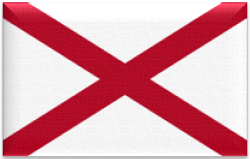
Alabama
Flag of Alabama
02

Alaska
Flag of Alaska
03
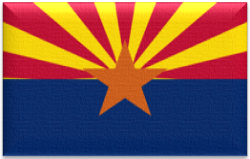
Arizona
Flag of Arizona
04
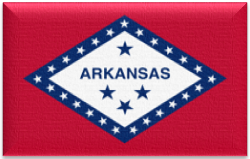
Arkansas
Flag of Arkansas
05
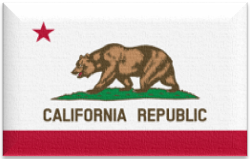
California
Flag of California
06
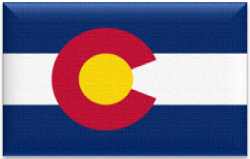
Colorado
Flag of Colorado
07
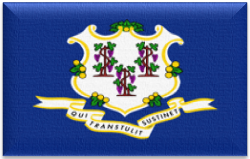
Connecticut
Flag of Connecticut
08
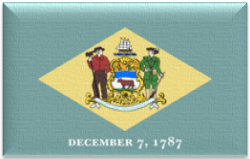
Delaware
Flag of Delaware
09
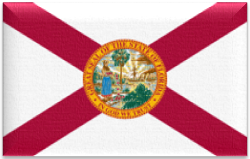
Florida
Flag of Florida
10
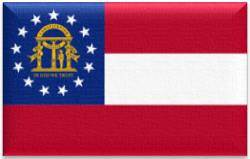
Georgia
Flag of Georgia
11
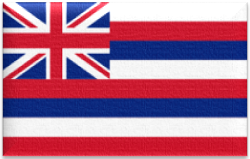
Hawaii
Flag of Hawaii
12
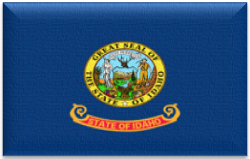
Idaho
Flag of Idaho
13
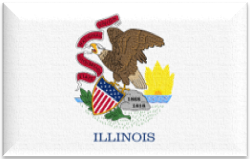
Illinois
Flag of Illinois
14
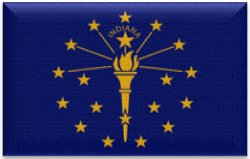
Indiana
Flag of Indiana
15
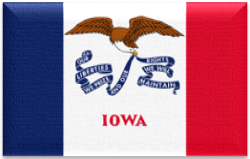
Iowa
Flag of Iowa
16
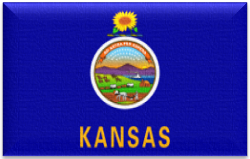
Kansas
Flag of Kansas
17
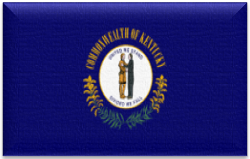
Kentucky
Flag of Kentucky
18
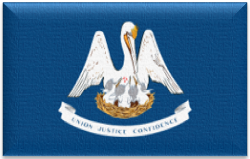
Louisiana
Flag of Louisiana
19
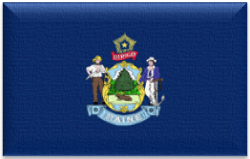
Maine
Flag of Maine
20
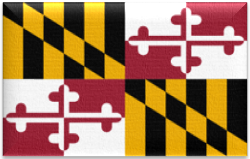
Maryland
Flag of Maryland
21

Massachusetts
Flag of Massachusetts
22
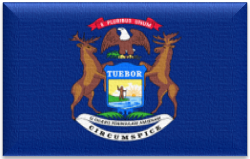
Michigan
Flag of Michigan
23
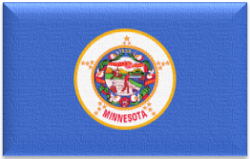
Minnesota
Flag of Minnesota
24
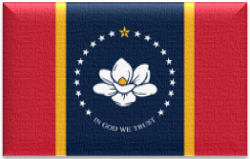
Mississippi
Flag of Mississippi
25
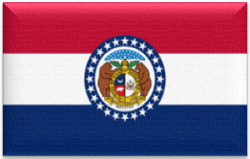
Missouri
Flag of Missouri
26
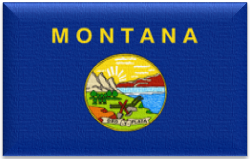
Montana
Flag of Montana
27
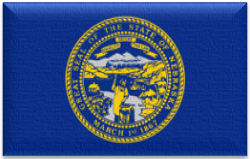
Nebraska
Flag of Nebraska
28

Nevada
Flag of Nevada
29
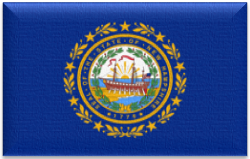
New Hampshire
Flag of New Hampshire
30

New Jersey
Flag of New Jersey
31
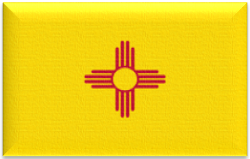
New Mexico
Flag of New Mexico
32
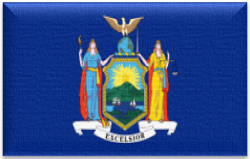
New York
Flag of New York
33

North Carolina
Flag of North Carolina
34
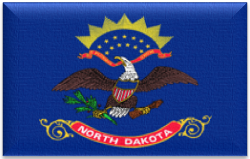
North Dakota
Flag of North Dakota
35
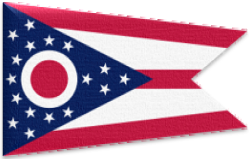
Ohio
Flag of Ohio
36
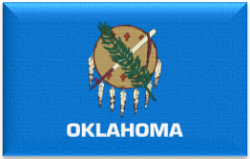
Oklahoma
Flag of Oklahoma
37
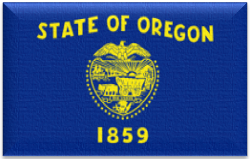
Oregon
Flag of Oregon
38
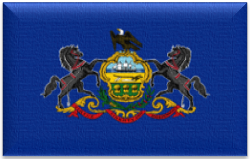
Pennsylvania
Flag of Pennsylvania
39

Rhode island
Flag of Rhode island
40
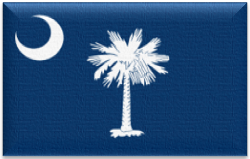
South Carolina
Flag of South Carolina
41
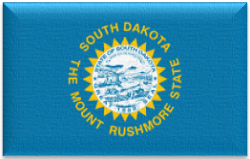
South Dakota
Flag of South Dakota
42

Tennessee
Flag of Tennessee
43
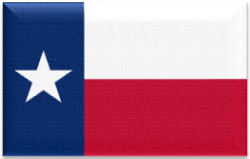
Texas
Flag of Texas
44
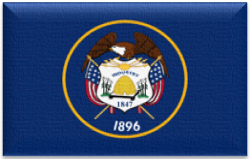
Utah
Flag of Utah
45
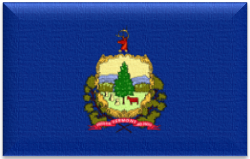
Vermont
Flag of Vermont
46
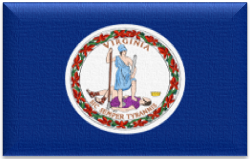
Virginia
Flag of Virginia
47
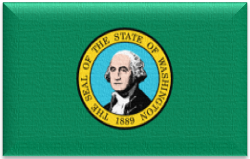
Washington
Flag of Washington
48
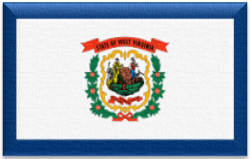
west virginia
Flag of west virginia
49
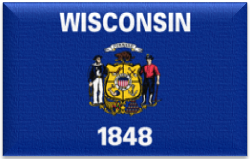
Wisconsin
Flag of Wisconsin
50
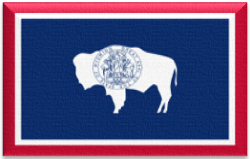
wyoming
Flag of wyoming
The List of US States includes all 50 states that make up the United States of America. Each state has its own unique identity, government, capital city, history, culture, and official flag. State flags serve as important symbols of heritage and pride, representing the traditions and values of their respective states.
This comprehensive guide to the List of US States – All US States Flags With Names helps students, travelers, educators, researchers, and geography enthusiasts learn about the states that form one of the world’s most influential nations.
About the United States
The United States is a federal republic located primarily in North America. It consists of 50 states, a federal district, and several territories. The nation spans a vast geographic area and contains diverse landscapes ranging from deserts and mountains to forests, coastlines, and tropical islands.
Key facts about the United States:
- Number of States: 50
- Capital City: Washington, D.C.
- Largest State: Alaska
- Smallest State: Rhode Island
- Most Populous State: California
- Newest State: Hawaii (1959)
How Many States Are in the United States?
The United States contains 50 states. The first state to join the Union was Delaware in 1787, while Hawaii became the 50th state in 1959.
Each state possesses:
- Its own constitution
- State government
- Capital city
- Official symbols
- State flag
- State motto
US States by Region
The states are commonly grouped into four major regions.
Northeast States
- Maine
- New Hampshire
- Vermont
- Massachusetts
- Rhode Island
- Connecticut
- New York
- New Jersey
- Pennsylvania
Midwest States
- Ohio
- Michigan
- Indiana
- Illinois
- Wisconsin
- Minnesota
- Iowa
- Missouri
- North Dakota
- South Dakota
- Nebraska
- Kansas
Southern States
- Delaware
- Maryland
- Virginia
- West Virginia
- Kentucky
- Tennessee
- North Carolina
- South Carolina
- Georgia
- Florida
- Alabama
- Mississippi
- Arkansas
- Louisiana
- Oklahoma
- Texas
Western States
- Montana
- Wyoming
- Colorado
- New Mexico
- Idaho
- Utah
- Arizona
- Nevada
- Washington
- Oregon
- California
- Alaska
- Hawaii
History of US State Flags
State flags have evolved throughout American history. Most flags were adopted during the late nineteenth and early twentieth centuries, while several states have recently redesigned their flags to create stronger visual identities.
Common elements found on state flags include:
- Stars
- Eagles
- State seals
- Historical emblems
- Native American symbols
- Agricultural imagery
- State mottos
Most Recognizable US State Flags
Several state flags are widely recognized because of their unique designs.
Texas Flag
Known as the “Lone Star Flag,” it symbolizes Texas independence and state pride.
California Flag
Features the famous California grizzly bear and a red star.
Maryland Flag
Considered one of the most distinctive state flags due to its heraldic design.
Arizona Flag
Features a copper-colored star representing the state’s mining history.
Colorado Flag
Known for its simple and highly recognizable red “C” design.
Largest US States by Area
The largest states in the United States are:
- Alaska
- Texas
- California
- Montana
- New Mexico
These states account for a significant portion of the country’s total land area.
Most Populous US States
The states with the largest populations include:
- California
- Texas
- Florida
- New York
- Pennsylvania
These states contain many of America’s largest metropolitan areas.
Interesting Facts About US States
- Alaska is larger than the next three largest states combined.
- Hawaii is the only state located entirely on islands.
- Ohio has the only non-rectangular state flag.
- California’s economy ranks among the largest in the world.
- Rhode Island is the smallest U.S. state by area.
- Texas was once an independent republic before joining the United States.
Why State Flags Matter
State flags are important because they:
- Represent state identity
- Preserve historical heritage
- Promote civic pride
- Reflect local culture
- Distinguish states from one another
They remain powerful symbols used in government buildings, schools, sporting events, and public ceremonies.
Conclusion
The List of US States – All US States Flags With Names provides a valuable overview of the 50 states that form the United States of America. Each state contributes unique traditions, landscapes, cultures, and historical experiences to the nation. Understanding state names and flags helps strengthen knowledge of American geography, history, and regional diversity while highlighting the rich heritage represented by every state flag.
Frequently Asked Questions (FAQs)
How many states are in the United States?
The United States consists of 50 states.
What is the largest U.S. state?
Alaska is the largest state by area.
What is the smallest U.S. state?
Rhode Island is the smallest state by area.
Which state has a non-rectangular flag?
Ohio is the only U.S. state with a non-rectangular swallowtail flag design.
Which state flag is most recognizable?
Texas, California, Maryland, Arizona, and Colorado are often considered among the most recognizable state flags.
What was the last state admitted to the Union?
Hawaii became the 50th state in 1959.
Why are state flags important?
State flags represent the history, culture, values, and identity of each state.
Where can I find all US States Flags With Names?
You can find all US States Flags With Names in comprehensive state flag directories, educational resources, and geography guides such as this complete List of US States.