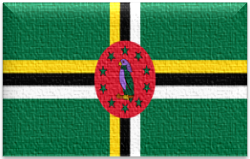
Dominica
Dominica Country Profile Overview and Facts
- Capital: Roseau
- Independence Day: November 3, 1978
- Parishes: 10 (St. Andrew, St. David, St. George, St. John, St. Joseph, St. Luke, St. Mark, St. Patrick, St. Paul, and St. Peter)
- Religion: Christianity
- Motto: “After God, the Earth” (Après Bondie, C’est La Ter)
- Languages: English (Official), French Patois (Antillean Creole)
Dominica Profile Overview
Dominica, officially the Commonwealth of Dominica, is an island nation located in the Eastern Caribbean, between the French territories of Guadeloupe to the north and Martinique to the south. Often referred to as the “Nature Island of the Caribbean,” Dominica is known for its volcanic landscapes, rainforests, rivers, waterfalls, and unspoiled natural beauty. The capital city is Roseau, which serves as the political, economic, and cultural center of the country.
Unlike many Caribbean islands, Dominica has focused less on mass tourism and more on eco-tourism, environmental preservation, and sustainable development. The economy is supported by agriculture, tourism, small-scale manufacturing, and offshore services, with increasing emphasis on climate resilience and green growth.
Importance of Dominica
Dominica is important for its environmental leadership, biodiversity conservation, and sustainable development model in the Caribbean region. The country is a global example of eco-tourism and climate adaptation, particularly in response to extreme weather events affecting small island states.
Alliances and International Relations
Dominica is a member of the United Nations (UN), Commonwealth of Nations, Organization of American States (OAS), Caribbean Community (CARICOM), Organisation of Eastern Caribbean States (OECS), World Trade Organization (WTO), International Monetary Fund (IMF), and World Bank. It actively supports regional integration and international cooperation on climate issues.
Independence and Political History
Dominica gained independence from British rule on November 3, 1978. It operates as a parliamentary republic, making it one of the few republics within the Commonwealth. Democratic governance and constitutional stability remain central to national development.
Global Contribution
Dominica contributes globally through environmental advocacy, climate resilience initiatives, eco-tourism development, and regional cooperation. The country plays an active role in promoting the interests of small island developing states (SIDS) at international forums.
Region and Sub-Region
Region: Americas
Sub-Region: Caribbean
Dominica’s location enhances its role in Eastern Caribbean cooperation and marine biodiversity protection.
Religion, Ethnicity, and Society
Religion: Christianity (predominantly Roman Catholic), Protestant denominations
Ethnicity: Primarily African descent, with a recognized Indigenous Kalinago population
Dominican society is known for strong community values, cultural pride, and environmental awareness.
Languages and Culture
Official Language: English
Widely Spoken: Dominican Creole (French-based Creole)
Dominica’s culture reflects African, Indigenous, and European influences, expressed through music, festivals, storytelling, crafts, and traditional cuisine.
Key Facts About Dominica
Capital: Roseau
Currency: East Caribbean Dollar (XCD)
Government: Parliamentary republic
Geography: Volcanic mountains, rainforests, rivers
Economy: Eco-tourism, agriculture, services
Conclusion
Dominica is a unique Caribbean nation defined by its natural beauty, environmental commitment, and sustainable development vision. Its leadership in eco-tourism and climate resilience positions Dominica as an influential voice among small island nations and a model for green development.
Frequently Asked Questions (FAQs)
Q1: Where is Dominica located?
Dominica is located in the Eastern Caribbean between Guadeloupe and Martinique.
Q2: When did Dominica gain independence?
Dominica gained independence on November 3, 1978.
Q3: What is Dominica known for?
Dominica is known for rainforests, waterfalls, volcanoes, and eco-tourism.
Q4: What language is spoken in Dominica?
English is the official language, and Dominican Creole is widely spoken.
Q5: Is Dominica the same as the Dominican Republic?
No, they are two different countries with separate histories and locations.
Sources :