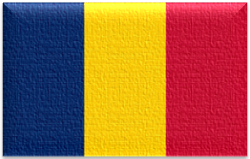
Chad
Chad Country Profile Overview and Facts
- Capital: N’Djamena
- Independence Day: August 11, 1960
- Provinces: 23
- Religion: Islam, Christianity, and Indigenous beliefs
- Motto: “Unity, Work, Progress” (Unité, Travail, Progrès)
- Languages: Arabic and French (Official)
Chad Profile Overview
Chad, officially the Republic of Chad, is a landlocked country in Central Africa, bordered by Libya to the north, Sudan to the east, Central African Republic to the south, Cameroon and Nigeria to the southwest, and Niger to the west. The capital and largest city is N’Djamena, located near the confluence of the Chari and Logone rivers.
Chad is geographically diverse, stretching from the Sahara Desert in the north, through the Sahelian belt, to fertile savannas in the south. The country has a predominantly rural population, with livelihoods centered on agriculture, livestock, fishing, and oil production. Despite development challenges, Chad remains strategically important in regional security and trade.
Importance of Chad
Chad holds significant importance due to its central location in Africa, acting as a bridge between North, West, and Central Africa. It plays a key role in regional security, counterterrorism cooperation, and Sahel stability. Chad’s natural resources, especially oil and livestock, further strengthen its regional relevance.
Alliances and International Relations
Chad is a member of the United Nations (UN), African Union (AU), Economic Community of Central African States (ECCAS), Community of Sahel-Saharan States (CEN-SAD), World Trade Organization (WTO), International Monetary Fund (IMF), and World Bank. The country actively cooperates with international partners on security, development, and humanitarian initiatives.
Independence and Political History
Chad gained independence from France on August 11, 1960. Since independence, the country has experienced periods of political change and reform. Chad operates as a presidential republic, with ongoing efforts focused on national unity, governance, and economic development.
Global Contribution
Chad contributes globally through oil exports, livestock trade, regional peace and security efforts, and participation in international peacekeeping missions. The country also supports environmental protection efforts, particularly related to Lake Chad, which is vital for regional livelihoods and ecological balance.
Region and Sub-Region
Region: Africa
Sub-Region: Central Africa / Sahel
Chad’s position places it at the crossroads of multiple African regions, enhancing its strategic and geopolitical importance.
Religion, Ethnicity, and Society
Religion: Islam, Christianity, traditional beliefs
Ethnicity: Sara, Arab, Kanembu, Toubou, Hadjerai, and many others
Chadian society is highly diverse, with more than 200 ethnic groups, reflecting a mix of nomadic, semi-nomadic, and settled communities.
Languages and Culture
Official Languages: French and Arabic
Other Languages: Over 100 indigenous languages
Chad’s culture is shaped by oral traditions, music, dance, crafts, and community-based social structures, influenced by both Saharan and sub-Saharan heritage.
Key Facts About Chad
Capital: N’Djamena
Currency: Central African CFA Franc (XAF)
Government: Presidential republic
Geography: Desert, Sahel, savanna, lakes
Economy: Oil, agriculture, livestock, fishing
Conclusion
Chad is a strategically important African nation with vast geographic diversity and cultural richness. Its role in regional security, natural resource development, and Sahel cooperation positions Chad as a key country in Central Africa’s present and future stability.
Frequently Asked Questions (FAQs)
Q1: Where is Chad located?
Chad is located in Central Africa and is landlocked.
Q2: When did Chad gain independence?
Chad gained independence on August 11, 1960.
Q3: What is Chad known for?
Chad is known for oil production, livestock, and its role in regional security.
Q4: What languages are spoken in Chad?
French and Arabic are official languages, alongside many indigenous languages.
Q5: What is the main religion in Chad?
Islam is the dominant religion, with Christianity and traditional beliefs also practiced.
Sources :