
Bhutan
Bhutan Country Profile Overview and Facts
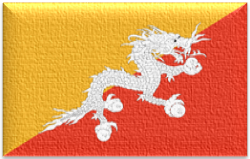
- Capital: Thimphu
- National Day: December 17 (Commemorating the coronation of the first King in 1907)
- Dzongkhags (Districts): 20
- Religion: Buddhism (Vajrayana – Official); Hinduism
- Motto: None (The national philosophy is Gross National Happiness)
- Language: Dzongkha
Bhutan Profile Overview
Bhutan is a small, landlocked country located in South Asia, nestled in the eastern Himalayas between India and China (Tibet Autonomous Region). Known globally as the “Land of the Thunder Dragon,” Bhutan is famous for its mountainous landscapes, strong Buddhist traditions, and unique development philosophy centered on Gross National Happiness (GNH) rather than economic output alone.
Historically isolated, Bhutan preserved its cultural identity and natural environment through cautious modernization. Today, Bhutan is a peaceful constitutional monarchy with a developing economy based on hydropower, agriculture, tourism, and renewable energy. The capital city, Thimphu, serves as the political and cultural center of the country.
Importance of Bhutan
Bhutan is important for its distinct governance model, environmental leadership, and cultural preservation. It is one of the world’s few carbon-negative countries, absorbing more carbon dioxide than it produces. Bhutan’s approach to sustainable development and well-being has influenced global discussions on alternative development models.
Alliances and International Relations
Bhutan is a member of the United Nations (UN), South Asian Association for Regional Cooperation (SAARC), Bay of Bengal Initiative (BIMSTEC), International Monetary Fund (IMF), and World Bank. The country maintains close diplomatic and economic ties with India, which remains its key development and trade partner.
Independence and Political History
Bhutan has never been formally colonized. It became a hereditary monarchy in 1907 and transitioned peacefully to a constitutional monarchy in 2008. The adoption of the constitution marked a significant step toward democratic governance while maintaining traditional institutions.
Global Contribution
Bhutan contributes globally through environmental conservation, climate leadership, peace advocacy, and sustainable tourism practices. Its Gross National Happiness framework is internationally recognized and studied as a model for holistic national development.
Region and Sub-Region
Region: Asia
Sub-Region: South Asia
Bhutan’s Himalayan location shapes its climate, culture, and strategic significance in the region.
Religion, Ethnicity, and Society
Religion: Buddhism (Vajrayana Buddhism)
Ethnicity: Ngalop, Sharchop, Lhotshampa, and other groups
Bhutanese society is deeply rooted in spiritual values, social harmony, and respect for tradition, reflected in daily life, governance, and national policy.
Languages and Culture
Official Language: Dzongkha
Other Languages: Sharchopkha, Nepali, and regional dialects
Bhutan’s culture is expressed through traditional dress, monastery architecture, religious festivals (Tshechus), arts, and rituals. Cultural preservation is strongly protected by law and social norms.
Key Facts About Bhutan
Capital: Thimphu
Currency: Bhutanese Ngultrum (BTN)
Government: Constitutional monarchy
Geography: Mountains, valleys, forests
Economy: Hydropower, agriculture, tourism
Conclusion
Bhutan stands out as a nation that prioritizes happiness, sustainability, and cultural integrity. Its peaceful governance, environmental leadership, and spiritual heritage make Bhutan a globally respected model for balanced and mindful development.
Frequently Asked Questions (FAQs)
Q1: Where is Bhutan located?
Bhutan is located in South Asia, between India and China in the eastern Himalayas.
Q2: What is Bhutan famous for?
Bhutan is famous for Gross National Happiness, Buddhist culture, and environmental conservation.
Q3: Was Bhutan ever colonized?
No, Bhutan has never been formally colonized.
Q4: What religion is practiced in Bhutan?
Vajrayana Buddhism is the dominant religion in Bhutan.
Q5: What is the main source of income for Bhutan?
Hydropower exports, tourism, and agriculture are key economic sectors.
Sources :