
Bangladesh
Bangladesh Country Profile Overview and Facts
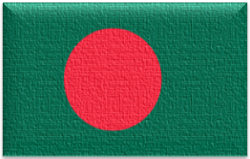
- Capital: Dhaka
- Independence Day: March 26, 1971 (Independence Day); December 16, 1971 (Victory Day)
- Divisions: 8
- Religion: Islam
- Motto: “Justice, Discipline, Liberty” (Historic/Administrative context)
- Language: Bengali
Bangladesh Profile Overview
Bangladesh is a densely populated country located in South Asia, bordered by India to the west, north, and east, Myanmar to the southeast, and the Bay of Bengal to the south. The country is shaped by one of the world’s largest river systems, formed by the Ganges, Brahmaputra, and Meghna rivers, creating fertile plains that support agriculture and human settlement.
Bangladesh has a deep historical legacy that includes ancient kingdoms, Islamic sultanates, Mughal administration, British colonial rule, and later governance as part of Pakistan. Since gaining independence in 1971, Bangladesh has developed into a rapidly growing economy, with strong performance in garment manufacturing, agriculture, remittances, and services. The capital city, Dhaka, is a major economic and cultural center in South Asia.
Importance of Bangladesh
Bangladesh is globally important due to its large workforce, strategic location in South Asia, and growing role in global manufacturing supply chains. It is one of the world’s leading exporters of ready-made garments, supplying international fashion markets. Bangladesh also plays a critical role in regional climate discussions due to its vulnerability to climate change and commitment to sustainable development.
Alliances and International Relations
Bangladesh is a member of the United Nations (UN), South Asian Association for Regional Cooperation (SAARC), Organization of Islamic Cooperation (OIC), Commonwealth of Nations, World Trade Organization (WTO), and Non-Aligned Movement. The country maintains diplomatic relations with major global powers and focuses on peacekeeping, trade expansion, and regional cooperation.
Independence and Political History
Bangladesh gained independence on March 26, 1971, following a liberation war against Pakistan. Victory was achieved on December 16, 1971, which is celebrated as Victory Day. Bangladesh operates as a parliamentary democratic republic, with a constitution that emphasizes nationalism, democracy, secularism, and social justice.
Global Contribution
Bangladesh contributes globally through peacekeeping missions, textile and apparel exports, migrant labor, and humanitarian efforts. It is one of the largest contributors to UN peacekeeping forces and plays an active role in global discussions on climate resilience, poverty reduction, and sustainable development.
Region and Sub-Region
Region: Asia
Sub-Region: South Asia
This location positions Bangladesh as a key country connecting South and Southeast Asia.
Religion, Ethnicity, and Society
Religion: Islam (majority), with Hindu, Buddhist, and Christian minorities
Ethnicity: Predominantly Bengali
Bangladeshi society is deeply rooted in family values, cultural traditions, and community life, with strong emphasis on education, resilience, and social cohesion.
Languages and Culture
Official Language: Bengali (Bangla)
Other Languages: English widely used in education and government
Bangladesh has a rich cultural heritage expressed through language, literature, music, poetry, festivals, and traditional arts. The Bengali language movement is a defining part of national identity and is recognized globally through International Mother Language Day.
Key Facts About Bangladesh
Capital: Dhaka
Currency: Bangladeshi Taka (BDT)
Government: Parliamentary republic
Geography: River deltas, plains, coastal areas
Economy: Garments, agriculture, remittances, services
Conclusion
Bangladesh is a resilient and rapidly developing nation with a strong cultural identity and growing global influence. Its contributions to manufacturing, peacekeeping, and regional stability, combined with economic growth and human development, make Bangladesh an important country in South Asia and the global economy.
Frequently Asked Questions (FAQs)
Q1: Where is Bangladesh located?
Bangladesh is located in South Asia, bordering India, Myanmar, and the Bay of Bengal.
Q2: When did Bangladesh gain independence?
Bangladesh gained independence on March 26, 1971.
Q3: What language is spoken in Bangladesh?
Bengali (Bangla) is the official language.
Q4: What is Bangladesh known for globally?
Bangladesh is known for garment exports, UN peacekeeping, and Bengali culture.
Q5: What is the main religion in Bangladesh?
Islam is the dominant religion in Bangladesh.
Sources :