Algeria
Algeria Country Profile Overview and Facts
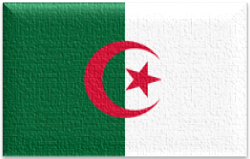
- Capital: Algiers
- Independence Day: July 5, 1962
- Provinces: 58 (Wilayas)
- Religion: Islam
- Motto: By the People and for the People
- Languages: Arabic and Tamazight
| 1 | Capital City | Algiers |
|---|---|---|
| 2 | Total Area | 2,381,740.00 (km²) |
| 3 | Land Area | 2,381,740.00 (km²) |
| 4 | Water Area | N/A |
| 5 | Population | 47,435,300 |
| 6 | Largest City | El Djazaïr (Algiers) |
| 7 | Currency | Algerian dinars (DZD) |
| 8 | Density | 19.92 |
| 9 | Name | People's Democratic Republic of Algeria |
| 10 | Location | Africa |
| 11 | Region | Northern Africa |
| 12 | Bordering Countries | Libya, Morocco, Tunisia, Mali, The Niger, Western Sahara, Mauritania. |
| 13 | Phone Codes | 213 |
| 14 | Iso Code | DZ / DZA |
| 15 | National Dishes | Couscous, chakhchoukha |
| 16 | National Animals | Fennec Fox |
| 17 | NO Of National Park | 11 |
| 18 | National Park Area | 527662 (km²) |
Algeria Profile Overview
Algeria is the largest country in Africa and the Mediterranean region, located in North Africa, bordering Tunisia, Libya, Niger, Mali, Mauritania, Western Sahara, and Morocco. Its diverse geography includes the Sahara Desert, the Tell Atlas mountains, and a fertile Mediterranean coastline, making Algeria strategically and environmentally significant. Algeria has a rich history shaped by Berber civilizations, Phoenician traders, Roman rule, Islamic dynasties, and French colonization, influencing its culture, language, and social structures.
Algeria plays a central role in African politics, energy markets, and Mediterranean trade due to its vast natural resources, especially oil and natural gas. The nation combines traditional values with modern urban development, striving for economic diversification, political stability, and regional integration.
Importance of Algeria
Algeria’s importance is tied to its geopolitical position in North Africa and the Mediterranean. It is a key energy supplier to Europe, a regional security influencer, and a bridge between African, Arab, and European nations. Its economic resources, strategic borders, and political influence make Algeria a vital partner in regional and global initiatives.
Alliances and International Relations
Algeria is a member of the African Union (AU), Arab League, Organization of Islamic Cooperation (OIC), and the United Nations. It maintains strong ties with Mediterranean countries and serves as a mediator in regional conflicts. Algeria also engages with international partners for trade, energy cooperation, and peacekeeping missions.
Independence and Political History
Algeria gained independence from French colonial rule in 1962, following a prolonged and intense war of liberation. Independence Day is celebrated on July 5, marking Algeria’s sovereignty. Since independence, Algeria has transitioned from a single-party system to a multiparty republic while maintaining strong state institutions.
Global Contribution
Algeria contributes globally through energy exports, peacekeeping efforts, and cultural diplomacy. It is known for its contributions to Arab and African political discourse, Islamic scholarship, and preservation of heritage sites. Algerian cuisine, music, and literature also enrich global culture.
Region and Sub-Region
Region: Africa
Sub-Region: North Africa / Maghreb
Algeria’s position strengthens its role in Mediterranean and African regional cooperation.
Religion, Ethnicity, and Society
Religion: Predominantly Islam (Sunni majority)
Ethnic Groups: Arab-Berber majority, with Tuareg and other minority communities
Ethnic and religious diversity is central to Algerian identity, reflected in language, cultural festivals, and traditional practices.
Languages and Culture
Official Languages: Arabic and Berber (Tamazight)
Other Languages: French widely used in administration, business, and education
Algerian culture emphasizes music (Raï and Chaabi), literature, festivals, and culinary traditions influenced by Berber, Arab, and French heritage. Family values, hospitality, and community cohesion are central to daily life.
Key Facts About Algeria
Capital: Algiers
Currency: Algerian Dinar (DZD)
Government: Presidential republic
Natural Resources: Oil, natural gas, iron ore, phosphates
Geography: Sahara Desert, Atlas Mountains, Mediterranean coast
Conclusion
Algeria is a country of immense geographic, economic, and cultural significance. Its strategic location, abundant natural resources, and rich history make it an influential player in African, Mediterranean, and global affairs. As Algeria continues modernization efforts, its regional and international roles are expected to grow.
Frequently Asked Questions (FAQs)
Q1: Where is Algeria located?
Algeria is in North Africa, bordered by the Mediterranean Sea and seven neighboring countries.
Q2: When did Algeria gain independence?
Algeria became independent in 1962 from French colonial rule.
Q3: What are the official languages of Algeria?
Arabic and Berber (Tamazight) are official; French is widely spoken.
Q4: What is Algeria known for globally?
Algeria is known for its energy exports, Sahara Desert, and rich cultural heritage.
Q5: What religion is most practiced in Algeria?
Islam is the dominant religion, mainly Sunni.
Sources :