
Afghanistan Country Profile Overview and Facts
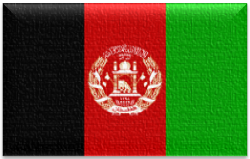
- Capital: Kabul
- Independence Day: August 19
- Provinces: 34
- Religion: Islam
- Motto: Shahada
- Languages: Pashto and Dari
| 1 | Capital City | Kabul |
|---|---|---|
| 2 | Total Area | 652,230.00 (km²) |
| 3 | Land Area | 652,230.00 (km²) |
| 4 | Water Area | N/A |
| 5 | Population | 43,844,100 |
| 6 | Largest City | Kabul |
| 7 | Currency | Afghanis (AFA) |
| 8 | Density | 67.16 |
| 9 | Name | Islamic Republic of Afghanistan |
| 10 | Location | Asia |
| 11 | Region | South Central Asia, Southern Asia |
| 12 | Bordering Countries | Iran, Turkmenistan, China, Pakistan, Tajikistan, Uzbekistan. |
| 13 | Phone Codes | 93 |
| 14 | Iso Code | AF / AFG |
| 15 | National Dishes | Kabuli Palaw |
| 16 | National Animals | Snow leopard |
| 17 | NO Of National Park | 2 |
| 18 | National Park Area | 11516 (km²) |
Afghanistan Profile Overview
Afghanistan is a landlocked country located at the crossroads of Central Asia, South Asia, and the Middle East, giving it long-standing geopolitical and cultural significance. The country is known for its rugged mountainous terrain, particularly the Hindu Kush range, which has historically shaped settlement patterns, trade routes, and defense strategies. Afghanistan has been a center of ancient civilizations, including Persian, Buddhist, and Islamic cultures, and it played a vital role along the historic Silk Road, connecting East and West.
Despite decades of conflict, Afghanistan maintains a strong national identity rooted in tradition, tribal structures, and religious values. Agriculture remains a key livelihood, while natural resources such as copper, iron ore, lithium, and rare earth minerals contribute to its economic potential. Afghanistan’s strategic location continues to influence regional security, trade corridors, and diplomatic engagement across Asia.
Importance of Afghanistan
Afghanistan’s importance lies in its strategic geographic position, linking major regional powers including Central Asian states, South Asia, China, and the Middle East. It serves as a potential transit hub for energy pipelines, trade routes, and regional connectivity initiatives. Historically, control over Afghanistan has meant influence over broader regional stability.
Alliances and International Relations
Afghanistan has engaged with international organizations such as the United Nations, Organization of Islamic Cooperation (OIC), and regional partners. Diplomatic relations focus on humanitarian cooperation, regional stability, counterterrorism, and economic assistance. Neighboring countries play a central role in Afghanistan’s foreign relations.
Independence and Political History
Afghanistan gained full independence from British influence in 1919, following the Third Anglo-Afghan War. Independence Day is observed on August 19, marking Afghanistan’s sovereignty in foreign affairs. Since independence, the country has experienced monarchy, republics, foreign interventions, and internal political transitions.
Global Contribution
Afghanistan has contributed globally through its cultural heritage, Islamic scholarship, poetry, and traditional arts such as carpet weaving. Afghan diaspora communities also play a role in international labor markets, education, and entrepreneurship.
Region and Sub-Region
Region: Asia
Sub-Regions: Central Asia and South Asia
This dual regional identity strengthens Afghanistan’s cultural and economic diversity.
Religion, Ethnicity, and Society
Religion: Predominantly Islam (Sunni majority, Shia minority)
Major Ethnic Groups: Pashtun, Tajik, Hazara, Uzbek, Turkmen, and others
Ethnic diversity strongly influences social structure, local governance, and cultural traditions.
Languages and Culture
Official Languages: Dari (Persian) and Pashto
Other Languages: Uzbek, Turkmen, Balochi, Nuristani
Afghan culture emphasizes hospitality, poetry, storytelling, traditional music, and regional cuisine. Family and tribal values remain central to daily life.
Key Facts About Afghanistan
Capital: Kabul
Currency: Afghani (AFN)
Terrain: Mountains, deserts, and fertile valleys
Historic Trade Role: Silk Road crossroads
Natural Resources: Copper, iron, lithium, gemstones
Conclusion
Afghanistan is a country of deep historical roots, cultural richness, and strategic relevance. While facing ongoing challenges, its geographic position, youthful population, and natural resources present long-term opportunities. Understanding Afghanistan requires acknowledging both its resilience and its importance within regional and global contexts.
Frequently Asked Questions (FAQs)
Q1: Where is Afghanistan located?
Afghanistan is located in Asia, connecting Central Asia and South Asia.
Q2: What languages are spoken in Afghanistan?
Dari and Pashto are the official languages, with several regional languages also spoken.
Q3: When did Afghanistan gain independence?
Afghanistan became independent in 1919.
Q4: Why is Afghanistan strategically important?
Its location links major Asian regions and trade routes.
Q5: What religion is followed in Afghanistan?
Islam is the dominant religion.
Sources :